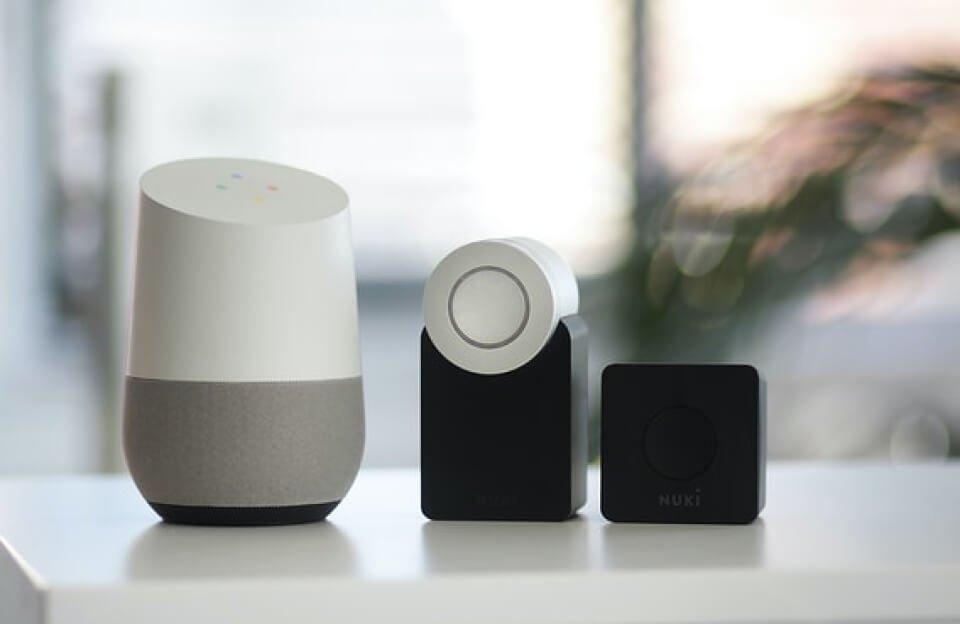
One night, my connected home stopped listening—and things got weird fast.
It was supposed to be a regular Thursday night.
I’d just wrapped up dinner, poured myself a cup of chamomile tea, and asked Alexa to dim the lights. She didn’t respond. That’s weird, I thought. Maybe the Wi-Fi dropped?
Nope. My phone had internet. But my smart bulbs? Frozen. Thermostat? Stuck at 26°C. Security cam? Offline. Every single smart device I had carefully set up—my “genius” home—had gone completely brain-dead.
Suddenly, the charm of “living in the future” didn’t feel so futuristic anymore.
The Smart Setup I Thought Was Foolproof
I’m no tech newbie. I’d spent months building my ideal IoT ecosystem—voice-activated lights, app-controlled AC, motion-sensor cameras, even a smart plug for the coffee machine (because waking up to the smell of brewing coffee? Yes, please).
Everything worked together beautifully… until it didn’t.
That night, a firmware update gone wrong—something I had zero control over—crashed the hub. No commands were going through. Devices weren’t syncing. And guess what? The front door smart lock wasn’t responding either.
Talk about feeling locked out of your own home.
When Convenience Turns into Chaos
Let me paint the picture:
- I had to use my phone’s flashlight to get around the house.
- The fan was stuck on low speed during a particularly sweaty summer night.
- The camera’s motion alerts? Nope. All dead.
- My smart speaker turned into an overpriced paperweight.
And here’s the kicker: I couldn’t even turn off the hallway light without pulling out the breaker switch—because the physical switch had been replaced with a fancy touch panel. No power = no touch = no light control.
Honestly, it felt like being trapped in a Black Mirror episode.
What I Learned the Hard Way
I’d fallen for the idea that smart = better. But smart without fail-safes is just… fragile.
Here’s what I wish I had done differently:
- Keep physical switches: Don’t fully replace them. You need a backup when the tech acts up.
- Avoid putting everything on one hub: If it crashes, your whole house shouldn’t follow.
- Update on your terms: Disable automatic updates or at least schedule them when you’re home to troubleshoot.
- Have a non-digital backup: Whether it’s a manual key for your smart lock or a remote for your AC, don’t rely on only your phone or voice commands.
The Emotional Toll No One Talks About
It might sound silly to get anxious over a few dead devices, but when your home—your safe place—suddenly stops working the way you expect, it’s more than an inconvenience. It’s unsettling.
I felt powerless, frustrated, and kind of betrayed. I trusted the system to work. I even bragged about it to friends. And there I was, sweating on the sofa, Googling “smart hub recovery mode” while my dog stared at me like, “Bro, what are we doing?”
Final Thought: Tech Should Serve You, Not Trap You
Don’t get me wrong—I still love smart home tech. But now, I design it with one rule in mind: if the internet goes down or the software glitches, can I still live like a human being?
If not, it’s not smart. It’s risky.
So before you install that new IoT gadget, ask yourself: what happens when it fails?
Because sometimes, the scariest part of a connected home… is when it disconnects.