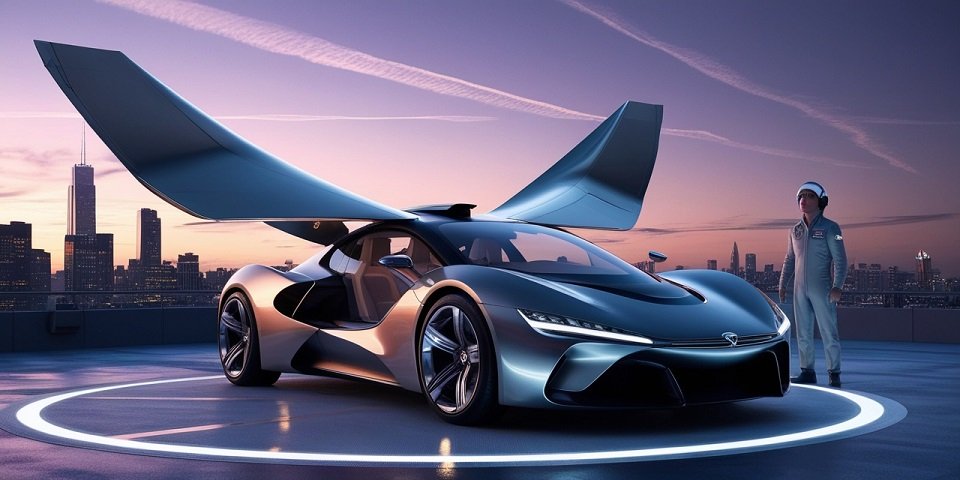
How electric flying cars could soon lift our commutes above the chaos
I still remember the first time I saw a concept sketch of a flying car—sleek wings folded, ready to whisk you over traffic. It felt like pure science fiction. But lately, Silicon Valley’s brightest minds have been quietly turning that fantasy into real prototypes, and it’s both thrilling and, honestly, a bit surreal.
From Fantasy to First Flights
Back in the ’50s and ’60s, flying cars were poster‑fuel for kids’ bedrooms. Fast forward to today, and startups like Joby Aviation, Archer Aviation, and Kitty Hawk have buzzing hangars full of electric vertical takeoff and landing (eVTOL) machines. These aren’t bulky gas-guzzlers; they’re lightweight, battery‑powered craft designed for short hops over cityscapes.
I dropped by a test site last month (okay, it was a virtual tour), and watched one of these little beauty’s rotors spin up. In a matter of seconds, it hovered three stories high—quietly, almost serenely. A moment later it glided toward a makeshift landing pad, and I found myself grinning like a kid on a merry-go-round.
Why It Matters (Beyond the Wow Factor)
- Save Time: Imagine slicing your commute in half by flying straight over rush‑hour gridlock.
- Less Pollution: Electric motors mean zero tailpipe emissions. Your ride above the freeway could be surprisingly green.
- New Routes: With fewer roads to build, cities might connect neighborhoods in ways we haven’t yet imagined.
These aren’t empty promises. Early tests show flights of 20–50 miles on a single charge, with cruise speeds around 150 mph. That could turn a 60‑mile drive into a 30‑minute aerial jaunt.
Facing the Headwinds
Of course, it’s not all smooth sailing (or smooth flying). A few hurdles remain:
- Regulation
The FAA and global aviation bodies are still crafting rules for air traffic in already-crowded skyways. - Infrastructure
We’ll need dozens—or hundreds—of vertiports (think tiny rooftop airports) scattered across cities. - Affordability
Early rides will likely cost more than a taxi. Mainstream adoption depends on driving those costs down.
But every major transit innovation, from high‑speed rail to commercial jets, faced similar roadblocks at the outset.
A Personal Flightscope
I’m no pilot, but I can’t help feeling a flutter of excitement thinking about hopping into a compact cabin, strapping in, and drifting silently above freeways. Picture snapping photos of your city from a perspective reserved—until now—for birds and drones. There’s something deeply human about wanting to ascend, to gain a fresh viewpoint.
What’s Next?
- Pilot Programs: Cities like Los Angeles, Dubai, and Singapore are already lining up test corridors.
- Ride Shares: Partnerships between eVTOL firms and ride‑hailing companies promise on‑demand air taxis.
- Tech Upgrades: Better batteries and lighter materials should extend range and reduce costs.
If you follow the buzz in tech newsletters or scroll through aviation blogs, you’ll see more test flights and milestone announcements in the coming months. It won’t happen overnight, but the pace is accelerating.
Keep Your Eyes on the Horizon
I get it—there’s a lot to iron out. Yet, when I think about the possibility of a quiet, quick flight above daily gridlock, I can’t help but feel hopeful. No, it’s not a lofty promise or empty hype. It’s a tangible peek at a future where our daily journeys might just take to the skies.
So next time you’re stuck in slow‑moving traffic, pause for a second and imagine… maybe, soon, you’ll simply look up.